



Psalm and Reflection | Psalm 67 | 2 August 2026
Psalm 67 finds fresh voice through Kildare, the Barrow, Slieve Bloom, and a timeless Welsh melody.
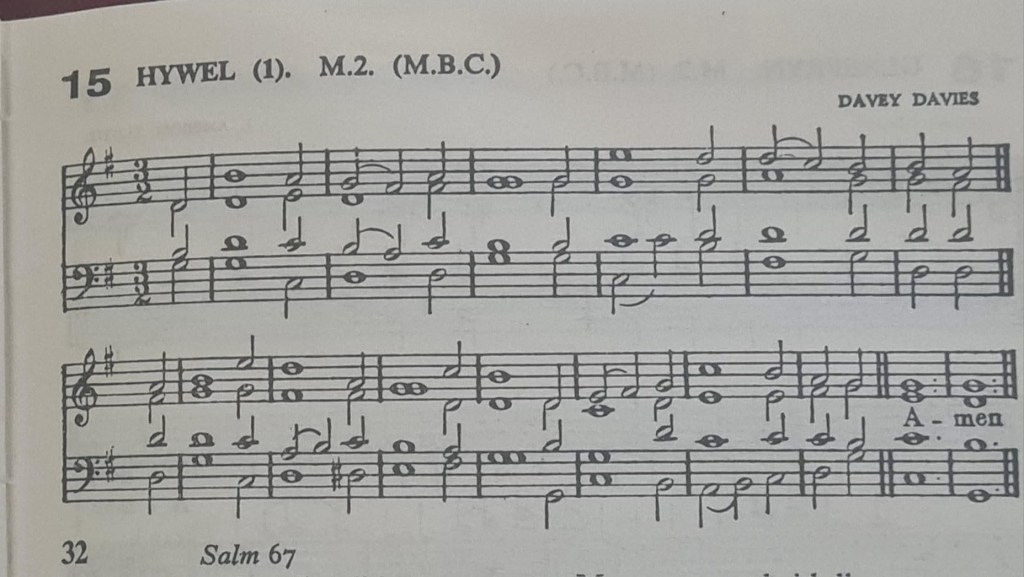
May God’s bright face shine here
May God’s bright face shine here,
His blessing rest upon us,
That all the earth may know His ways
And trust His grace and justice.

2
Kildare awakens now
Where skylarks sing at morning;
Let every nation lift its praise
To greet salvation’s dawning.

3
By Barrow river’s flow,
Where grey herons watch the stream,
Let peoples find His guiding light,
His holy love is supreme.

4
Slieve Bloom’s high hills arise
Where red deer move at first dawn;
The earth yields up her promised gifts
By God’s own mercy drawn.

5
May Ireland and the world
Walk in His ancient roadways,
Gathered together in His love
To live a life of pure praise.
Hymn information
First line: May God’s bright face shine here
Text: Michael McFarland Campbell
Metre: 6.7.8.7
Tunes : Hywel
Theme: Psalm 67
Reflection
There is a quiet power in stepping away from the familiar rhythms of the common hymn metres. Where Common Metre offers a comfortable, well-trodden path, the less familiar 6.7.8.7 pattern invites the singer to listen afresh. The opening six-syllable line acts almost as a call—direct, uncluttered, and immediate. As each stanza unfolds, the longer third line provides space for the imagery to breathe: the Barrow flowing beneath the watch of the grey heron, the heights of Slieve Bloom, and the dawn breaking over Kildare. The seven-syllable cadence resolves each verse with a gentle asymmetry, giving the text the natural movement of spoken prayer rather than the measured tread of a march.
Setting the hymn to the Welsh tune Hywel adds another layer of meaning. Welsh hymnody, shaped in chapels and mountain valleys, possesses a breadth and warmth that lends itself to expansive singing. The tune’s sweeping phrases and expressive rise in the third line allow the local landscape to become something more than description; they transform it into prayer. An Irish meditation on Psalm 67 carried by a Welsh melody quietly embodies the psalm’s own vision: that neighbouring peoples, distinct landscapes, and shared traditions may join their voices in one song of praise, so that God’s blessing may be known “among all nations.”
 NeuroDivine
Leave a comment